Yes, the world is shit!
...the solution is not killing babies.

There are two types of people who don’t want to have children.
One group reflects honestly on their adequacies, their strengths and capabilities, and chooses decisively a path that works for them. They’ll say things like,
“I don’t think I have the capacity to be a parent,”
or
“I don’t have enough resources to care for kids the way I’d want to.”
I respect that. That’s self-awareness. That’s people making informed choices about their own lives, and I strongly agree that not everyone can or should be involved in birthing and raising a child.
But then there’s another set of people.
Those who delusionally believe that zero reproduction rate is the solution to the world’s problems — the anti-natalists.
If you believe in the philosophical position that argues that it’s morally wrong to bring new life into existence, you are, and I say this with full sincerity, drinking from a shallow glass of critical thinking.
And if I haven’t offended you yet and you’re still reading this, let me explain why.
Suffering is part of existence
Anti-natalism argues we should close down the theater because some scenes are tragic. That we should prevent all life because suffering exists. But follow this logic to its natural conclusion and you’d never plant a garden because weeds will grow. Never compose music because some notes will be dissonant. Never learn how to swim beacause you may drown.
The presence of difficulty doesn’t equate a lack of value.
Suffering is part of existence. It’s woven into the fabric of what it means to be alive. And advocating for non-existence as humanity’s ultimate goal simply because it avoids suffering is nonsensical, to say the least.
You can’t frame the absence of experience; (good or bad) as somehow morally superior to the presence of it.
This is NOT the worst time to have children
Here’s what really gets me: anti-natalists arguing that we live in the worst time in history to have children.
This is a big insult, and I mean big insult to the women who bore children in hot underground taverns while war raged above their heads during World War II.
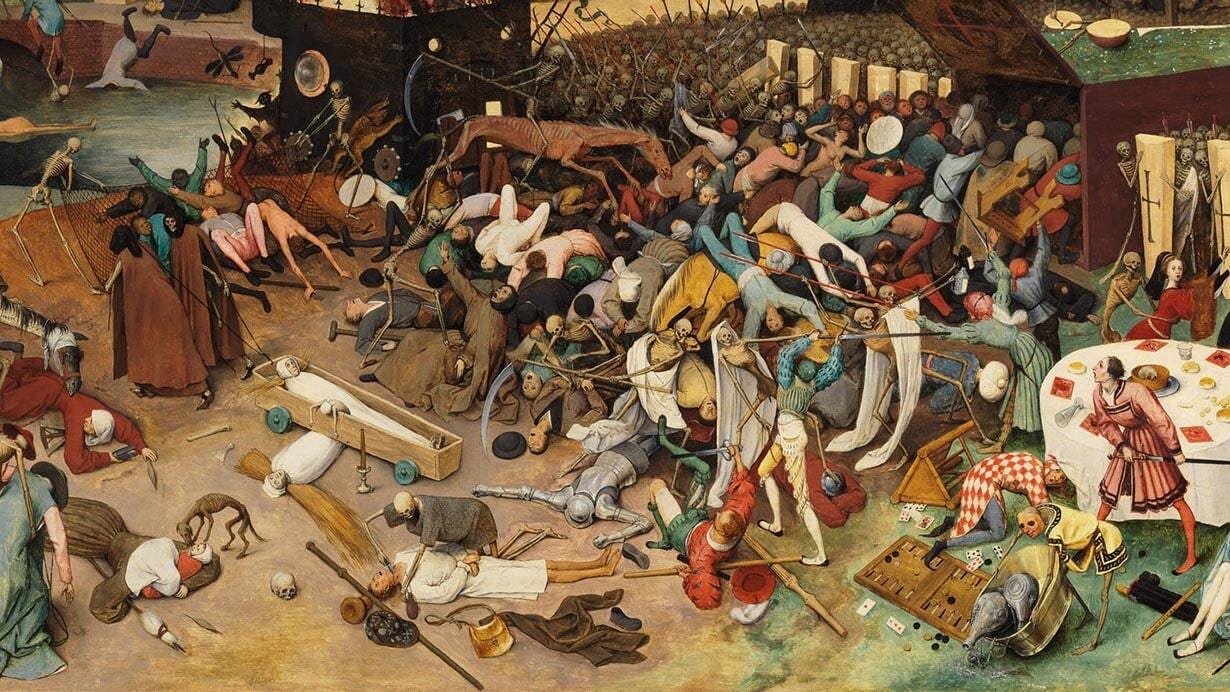
To the mothers who nursed babies while entire towns were riddled with death during the Black Death of the 14th century, when one-third of Europe’s population was wiped out.
To the women who gave birth during the Irish Famine of 1845-1849, when starvation was so widespread that families had to choose which children to feed.
I wonder if all mothers had stopped birthing children in the 1340s during the plague, would we even have the existence of the smartphones I currently use to watch AI-generated cat videos on TikTok?
Would we have antibiotics?
The internet?
Automated flushable toilets?
Declaring ours the worst time to have children is like standing at sea level and claiming you’ve found the deepest point in the ocean.
Every generation has faced its crucible.
The difference is that right now, we have the luxury, the absurd privilege, to philosophize about whether to face them at all. Our ancestors didn’t have the option to opt out. They persisted.
And I’m here because they did. You are too.
Children are the future
My argument is this: children are the future. And I don’t mean that in some bumper-sticker, feel-good way. I mean it literally.
We don’t birth kids because we want to change nappies 3,000 times a day and say “no” until our voices go hoarse.
We birth kids because we hope. We hope for a better life for them. We hope that we can be better parents than the ones we had. We hope to provide a better starting point than the one that was provided for us.
Just like oak trees are not planted for the farmer to rest under its shade. They are planted for a forest they’ll never walk through. Parenthood operates on the same principle of generational investment.
Every parent who has ever lived has been planting trees they’ll never sit under. Anti-natalism is the philosophy of refusing to plant trees because the sapling stage is difficult.
But here’s the thing about hope, it’s always been irrational by strict logical standards. Hope never guarantee outcomes, yet it hopes anyway.
The Social Cost of Anti-Natalist Rhetoric
I’m genuinely tired of the verbiage I see on social media nowadays, with direct attacks on mothers; (single and married) like their choice to have kids is some backwards, stone-age decision that doesn’t make sense.
Motherhood should never be something to be ashamed of. Something to apologize for.
People forget that children are the ones who give us identity. Children are the ones that makes us aunties, cousins, uncles, but beyound the family unit. Kids also grow into the people we call friends.
Colleagues that makes us laugh. The hairstylist with the gentle hands. The barista who knows your order. The nurse who holds your hand. The teacher who changes your life. The scientist who cures diseases. The artist who makes you feel understood.
Every anti-natalist making their case on Tiktok or Reddit or Twitter exists because someone before them chose hope over pessimism. Someone looked at an uncertain world and said, “I’m going in anyway.”
Anti-natalism is ultimately self-refuting, it depends on the continued existence of people to advocate for non-existence. It’s a philosophy that can only be argued by people whose parents rejected its central premise.
Children are a huge responsibility true, and we should be fighting for institutional systems that protect and value these kids instead of wishing them away completely.